
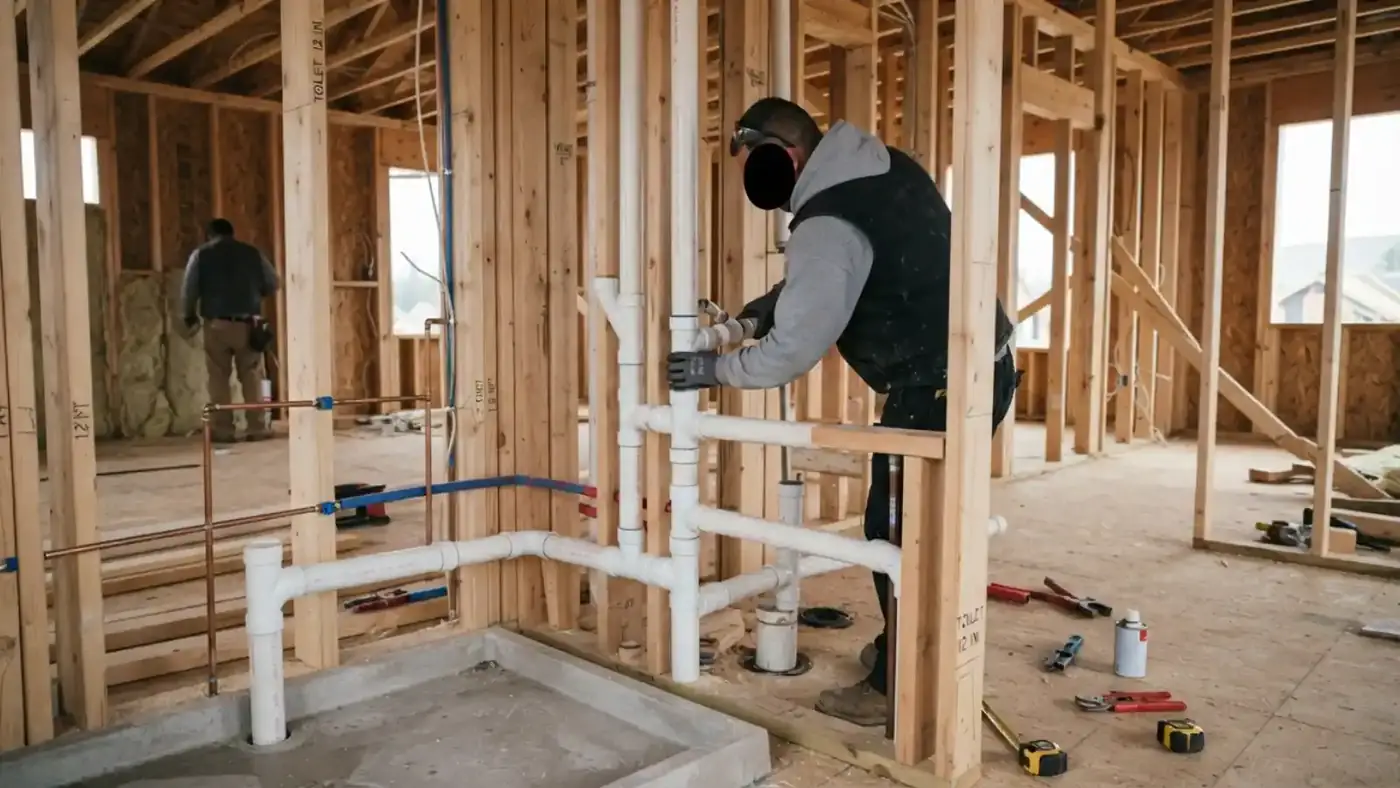
What a stack vent does
Drain pipes need air behind the water so they can flow without pulling a vacuum. The vent stack supplies that air and lets sewer gas escape above the roof instead of into the house.
Without a working vent, water in a trap can be siphoned out, which opens a path for sewer gas. That is why a vent problem often shows up as a smell as well as a sound.
Signs of a vent problem
Gurgling from a drain when another fixture runs, toilets that flush slowly or bubble, sinks that drain in a glug-glug pattern and sewer odors indoors are all common signs.
Several fixtures acting up at once suggests the vent, because the main drain and the vent serve them together. A single slow drain is more likely a local clog.
Common causes of a blocked vent
Leaves, bird nests, a wasp nest or a tennis ball can block the top of a vent. In some homes a vent that was cut or capped during a remodel causes trouble.
Crushed or disconnected vent pipe in the attic and a poorly sloped section can also cause issues. A camera or smoke test shows where the fault lies.
Roof access and safety
Looking at a roof vent means going on the roof, which is risky. A ladder and a flashlight from a safe position tell you what is visible, and a plumber has the tools to clear it.
Never run a garden hose into a vent without knowing where the water will go, because a cracked pipe may send water inside the wall.
How we check a vent
We listen at fixtures, check flow at the vent, run a camera if needed and sometimes a smoke test to find openings. In accessible attics we trace the vent from fixture to roof.
Clearing a blockage often solves it, and repair of a damaged vent follows. Persistent problems may mean the vent design itself is inadequate for the fixtures served.
When it is not the vent
A slow drain can be a clog, a belly in the line or a failing sewer line. If the vent is clear and the problem remains, drain cleaning and sewer camera inspection look at the line itself.
We tell you which one it is before we recommend any work, so you pay for the right fix.
Vent caps and rain
A vent open to the sky can let rain in, so some roofs use a cap that keeps rain out and still lets air through. A cap that is too tight can restrict airflow.
Our plumbing installation page explains how vents are sized and routed when we add fixtures.
Smoke tests and what they show
A smoke test pushes harmless smoke into the drain system, and it shows where air escapes. Smoke coming out of a roof vent means the vent is open, and smoke in the house shows a leak in a pipe or a dry trap.
It is a clean way to find a hidden crack or a disconnected joint without opening walls. We use it when the cause is unclear.
Remodels and vent changes
Moving a fixture often means moving its vent, and a vent that is cut or capped in a remodel causes problems later. A bathroom added at the far end of a house needs a vent path that meets code.
If you plan a remodel, ask the plumber to show how the new fixture will be vented before the walls close. Fixing a vent after drywall costs far more than planning it.
Costs and what affects them
A vent blockage that can be cleared from the roof is a modest job. A damaged vent in the attic or a rerouted vent costs more, and access is the main factor.
Ask the plumber to explain the problem and the price before any work starts, and to show you the damage.
What the code requires
According to plumbing guidelines, every fixture trap needs a vent, and the Florida Building Code, Plumbing requires every fixture trap to be vented so that drains run freely. A vent that is too small, too long or blocked is a code issue as well as a comfort issue, and a plumber can explain what applies to your layout.
Vent stacks on Sanford roofs and in older homes
Sanford homes range from early twentieth century houses near First Street to newer subdivisions, and their vent systems vary just as much. Older homes may have vents tied together in the attic, and remodels can leave a vent disconnected.
Florida storms put debris on roofs, and a vent cap can fill with leaves after a big wind. Ask the City of Sanford building department about permit rules before you change vent piping, since it affects the whole drain system.
If you live in Lake Mary or Longwood, our Lake Mary page covers how we reach you.
Questions about this in Sanford, FL
Gurgling often means air is struggling to get into the drain system. A blocked vent or a partial clog are the usual causes.
Yes. Without a working vent, traps can lose their water and sewer gas can enter the house.
If you can reach it safely, yes. Roof work is risky, so many homeowners prefer to call a plumber.
If drains gurgle or smell, a vent inspection is worthwhile, especially after remodels.